Where Is My Peace?!
For the second consecutive year, the New Theatre Institute of Latvia has been developing an artists’ residency at the Resiliences Avots Community Centre in Riga as part of the international Magic Carpets platform. The collaboration builds on a long-term commitment to introducing contemporary performing arts to young people and creating opportunities for them to explore artistic practices, express their perspectives and become active participants in the creative process. Each year, a different artist joins the community, developing a shared process grounded in curiosity, trust, exchange and collective creation.
Following last year’s residency, which explored contact, connection and the ways in which young people experience belonging through dance and movement, this year’s focus shifted towards visual language and scenography. It was led by Latvian scenographer Līga Zepa, who spent several months working with young people from the Resiliences Avots Community Centre, exploring scenography and different ways of thinking and expressing themselves through scenographic elements.
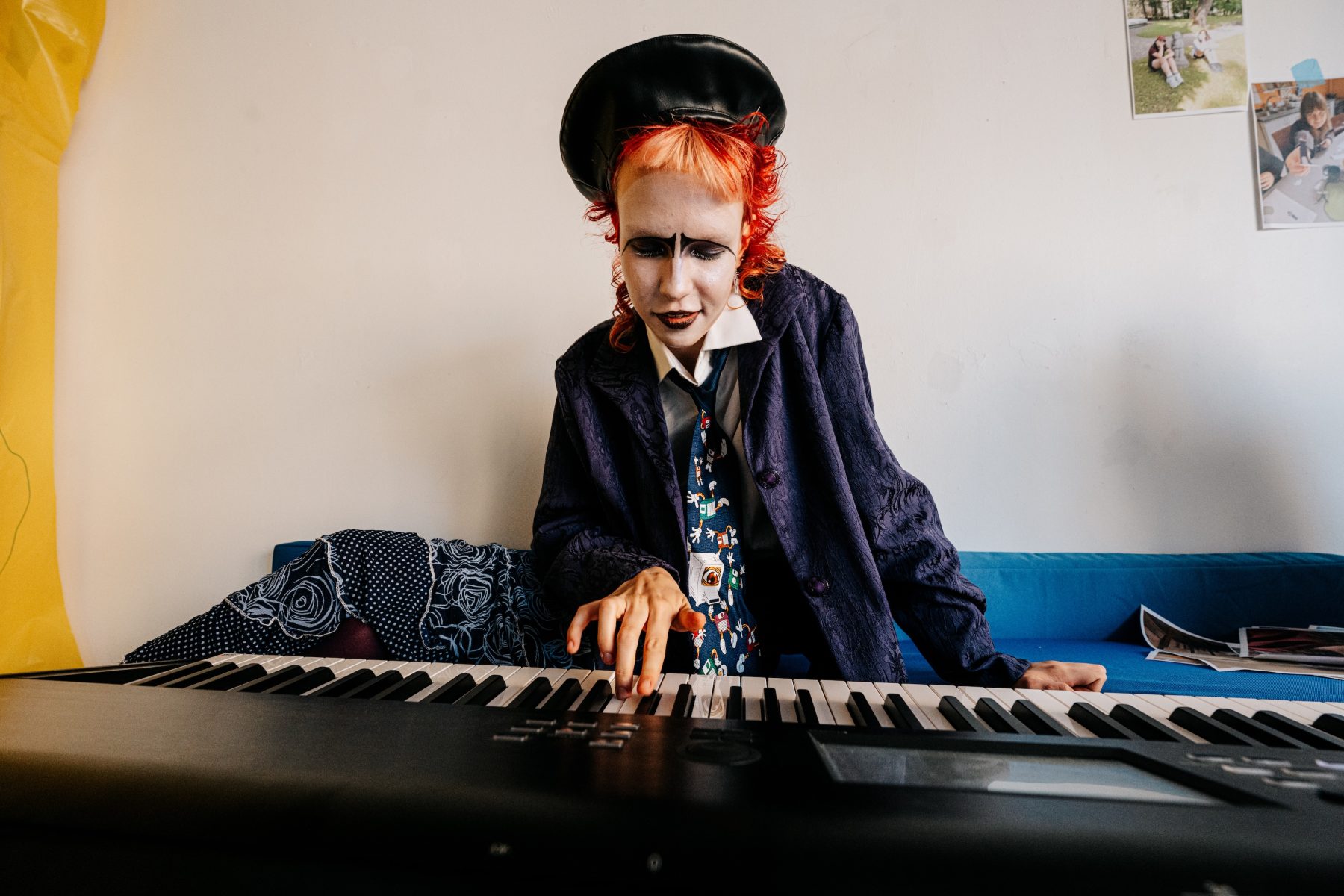
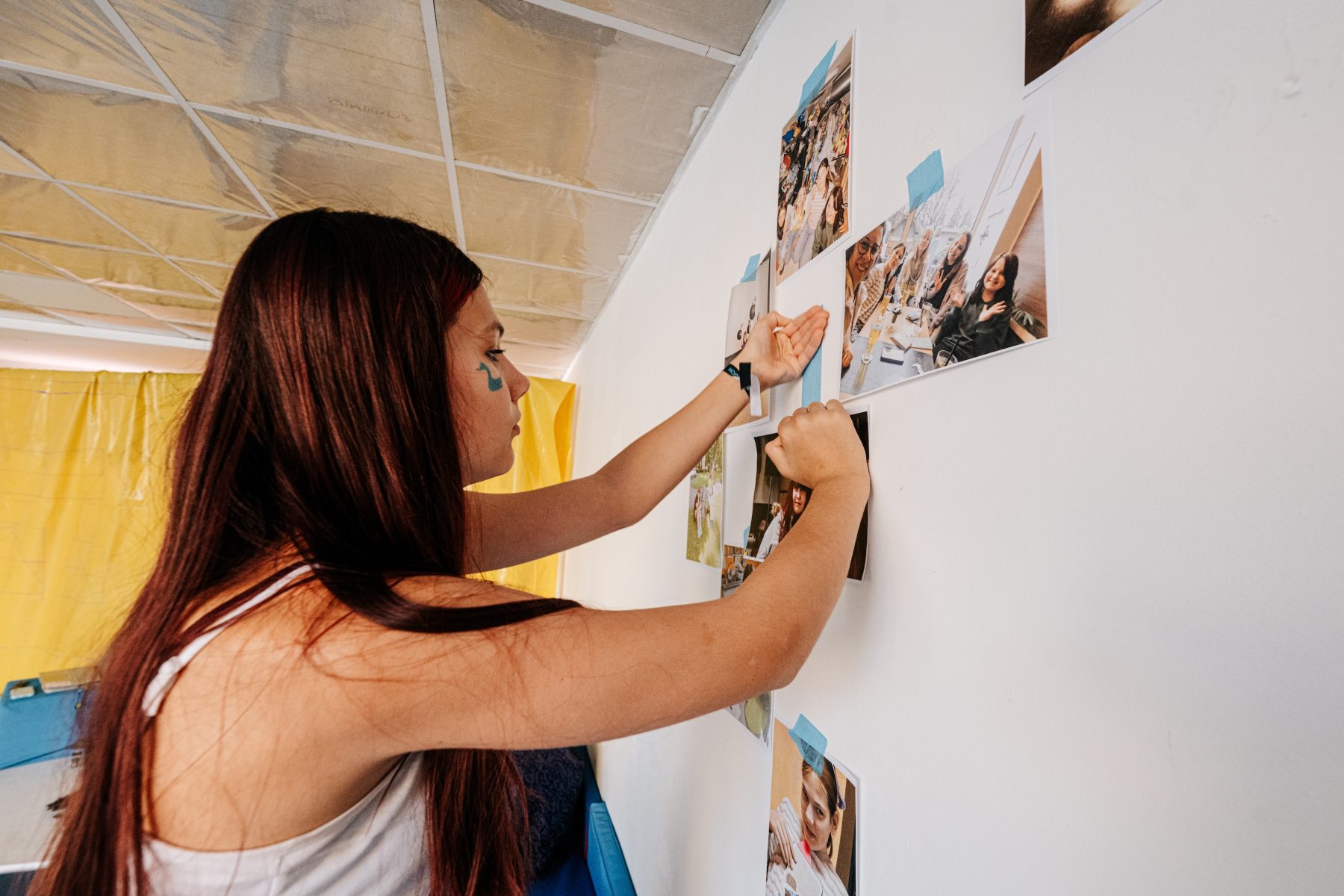
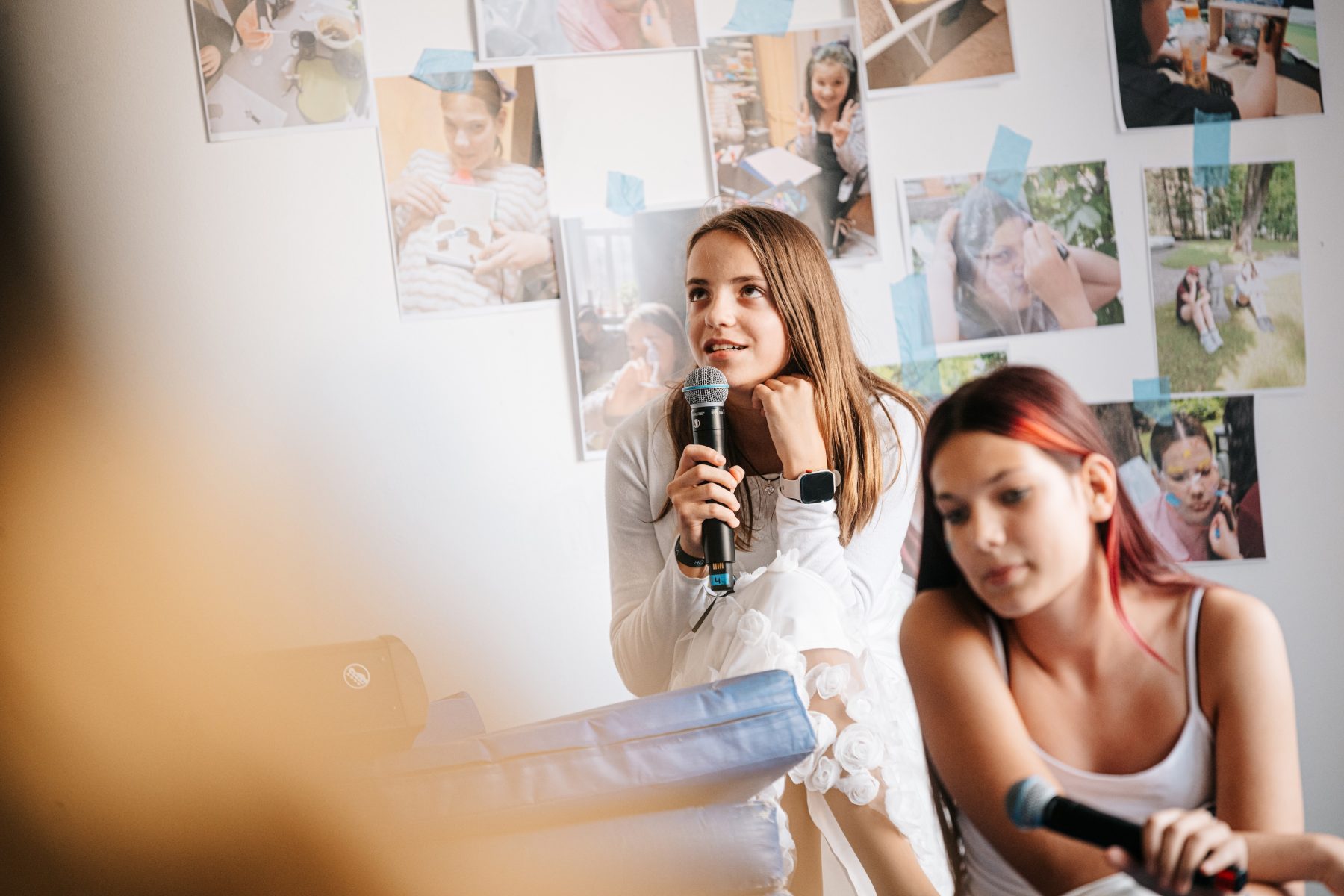
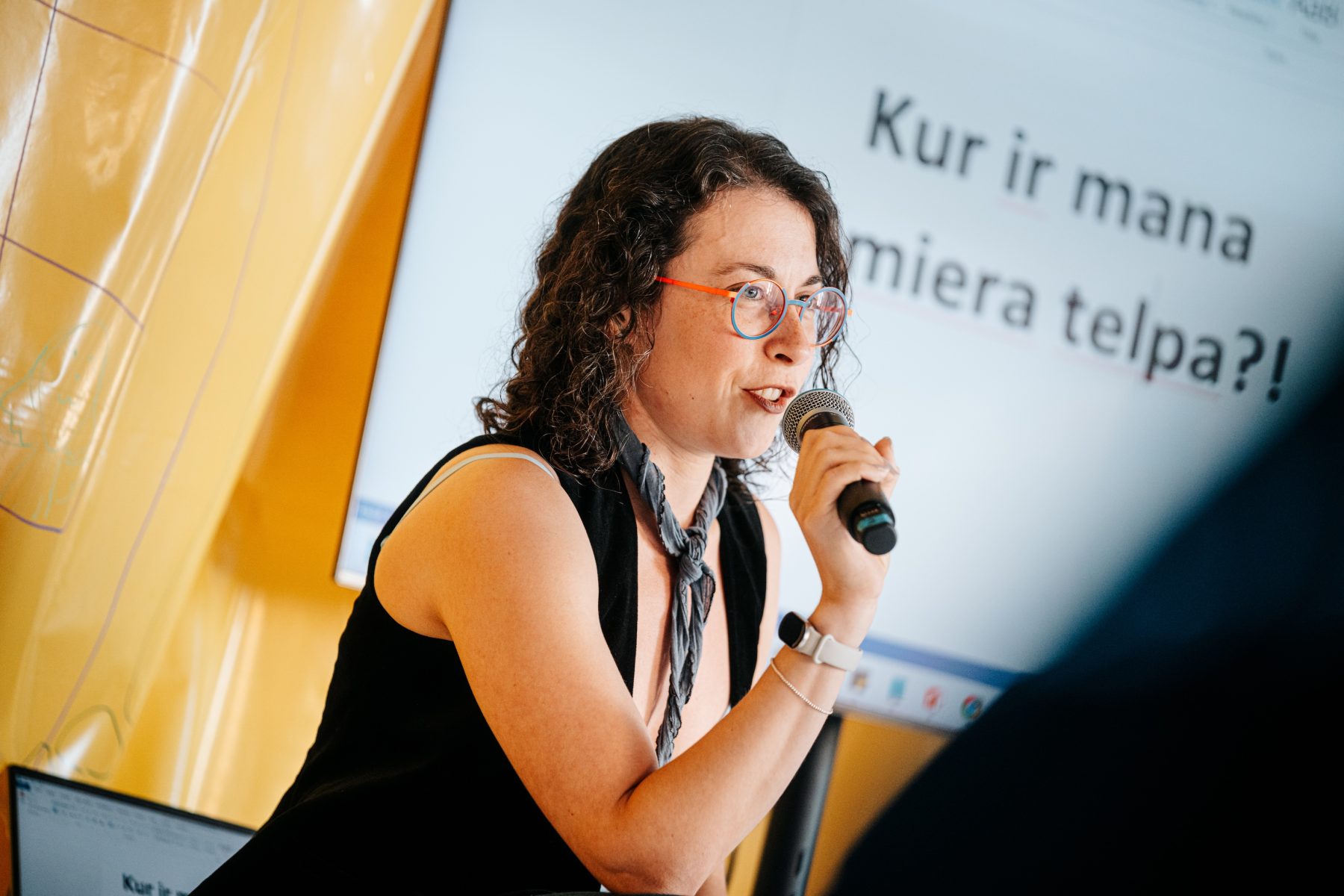
What does peace mean to a young person today? Is it a place, a person, a particular feeling, a moment of silence, or simply the freedom to be oneself without having to explain or prove anything? Where do we look for peace when the world around us feels unpredictable, when expectations accumulate and relationships become complicated? And how do we recognise what we need when our own desires and capacities do not always seem to align? These questions formed the starting point for conversations, creative exercises and artistic experimentation. The process invited participants to reflect on their inner worlds, everyday experiences and personal understandings of peace.
However, as the residency developed, another question gradually emerged: what does it mean to participate in an artistic process, and what happens when the process itself does not lead to the result we initially imagined?
Working with communities often involves an expectation that a shared artistic journey should eventually produce something presentable – a performance, an exhibition, an installation or another tangible outcome. The process is expected to become something that can be communicated to an audience, something that demonstrates what has been achieved. But what happens when the people involved have different expectations, changing interests or simply do not have the energy to commit? Are they ready to present something? Do they even want to? And what if reflecting on these questions is already a meaningful artistic practice in itself?
These uncertainties became an essential part of the work. The participants reflected on the challenges of engaging in a collective creative process, their expectations and the sometimes difficult relationship between wanting to do something and actually having the capacity to do it. Their reflections touched upon situations familiar to many: wanting to attend a workshop but feeling too tired; wanting to maintain a friendship while simultaneously feeling unheard; wanting to commit to something while needing space for oneself. How do we navigate these contradictions? How do we recognise our limits without experiencing them as failures?
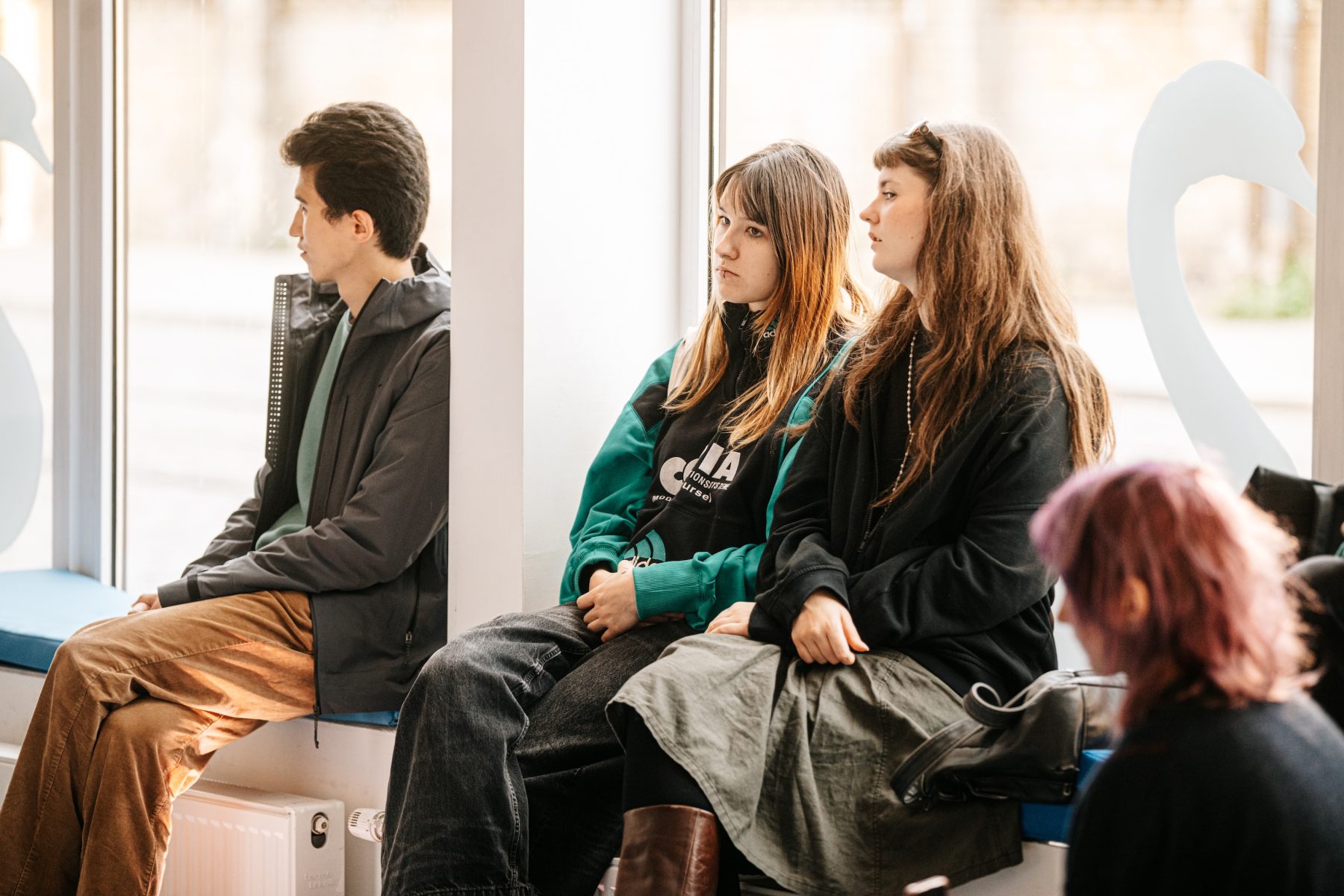
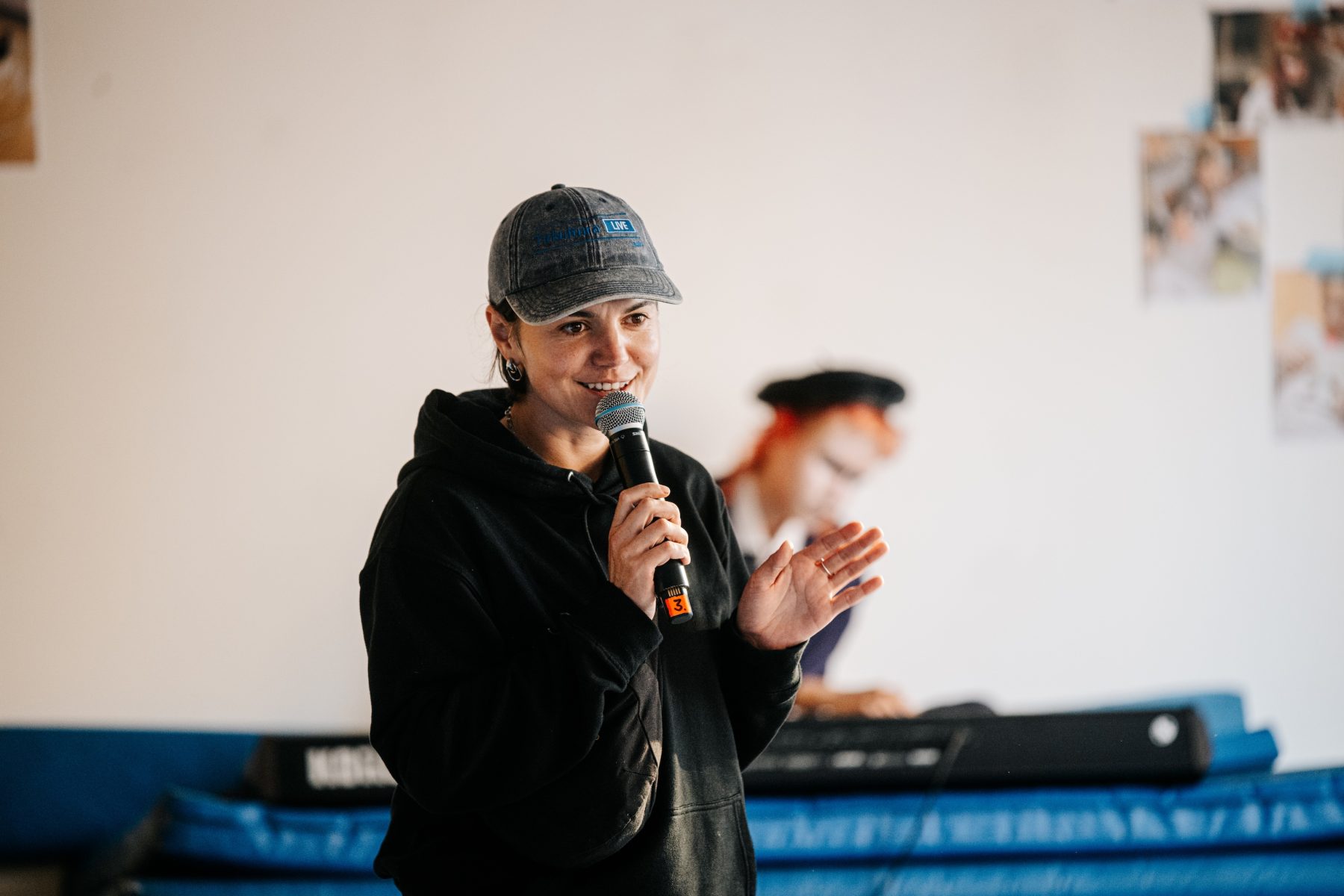
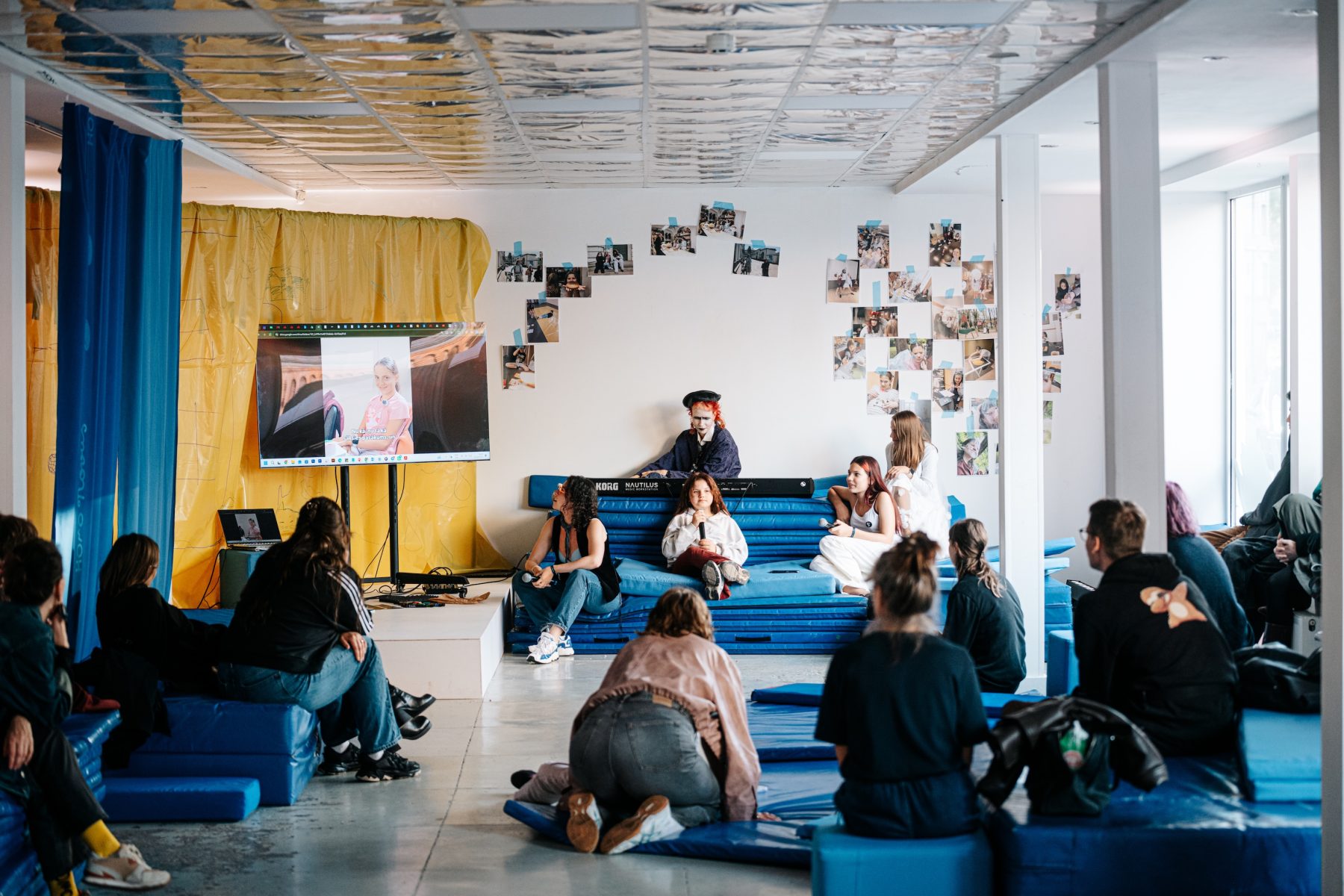
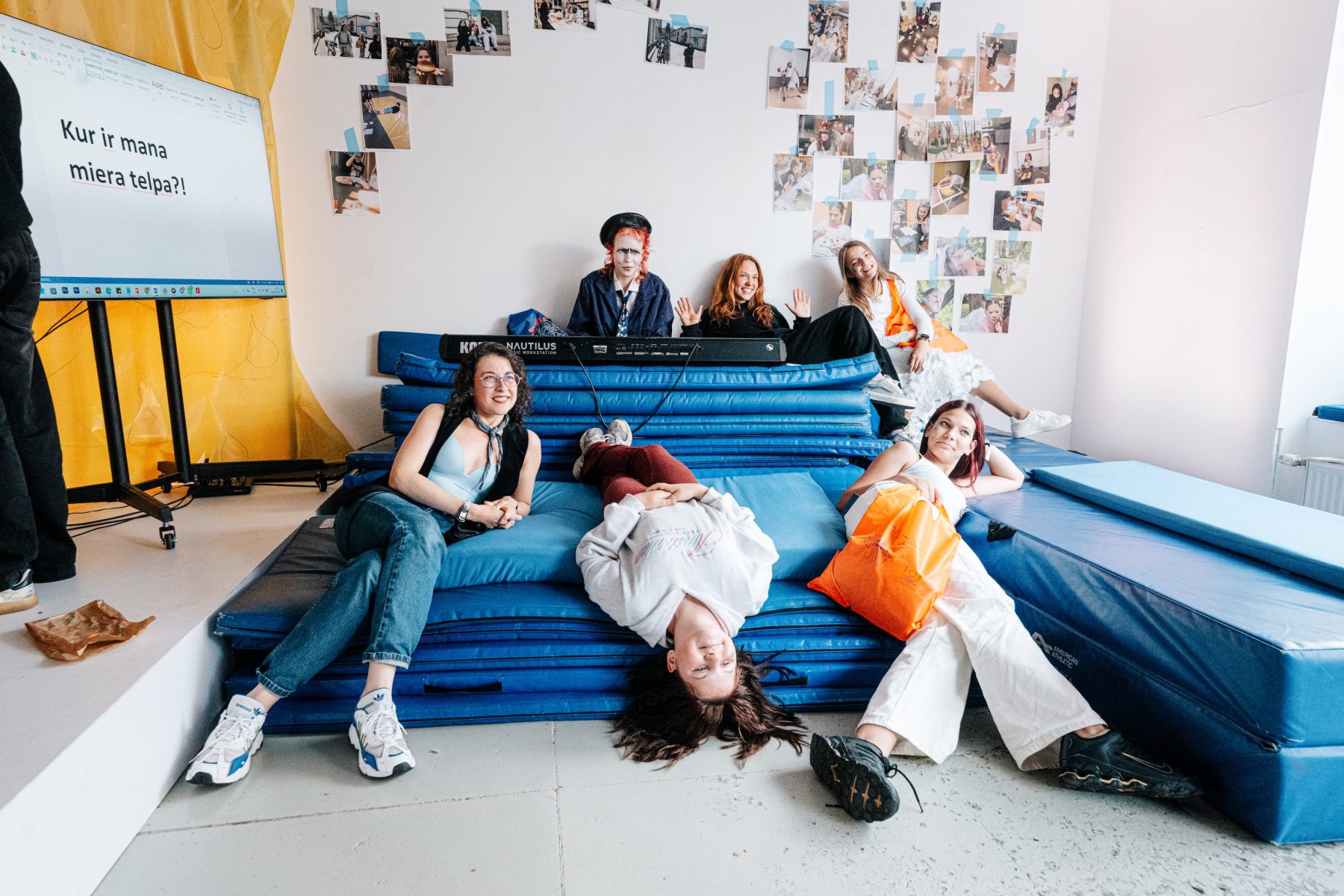
An important realisation emerged: sometimes taking care of ourselves means letting go. This might mean letting go of a friendship that no longer feels supportive, an activity we once wanted to pursue or even an idea of what our artistic work was supposed to become. These reflections shaped the final public presentation, which took place during the international contemporary theatre festival Homo Novus. Rather than presenting a finished artistic outcome or documenting the residency as a success story, the event took the form of a performative conversation between Līga and the young participants. At times resembling a talk show, the conversation moved between personal experiences, questions about the creative process, doubts, expectations and the challenges of working together. The participants openly explored the unfinished nature of their journey. The conversation itself became the artwork: an act of collective thinking, questioning and communication, in which uncertainty and the absence of a definitive conclusion were not problems to be resolved, but material to work with.
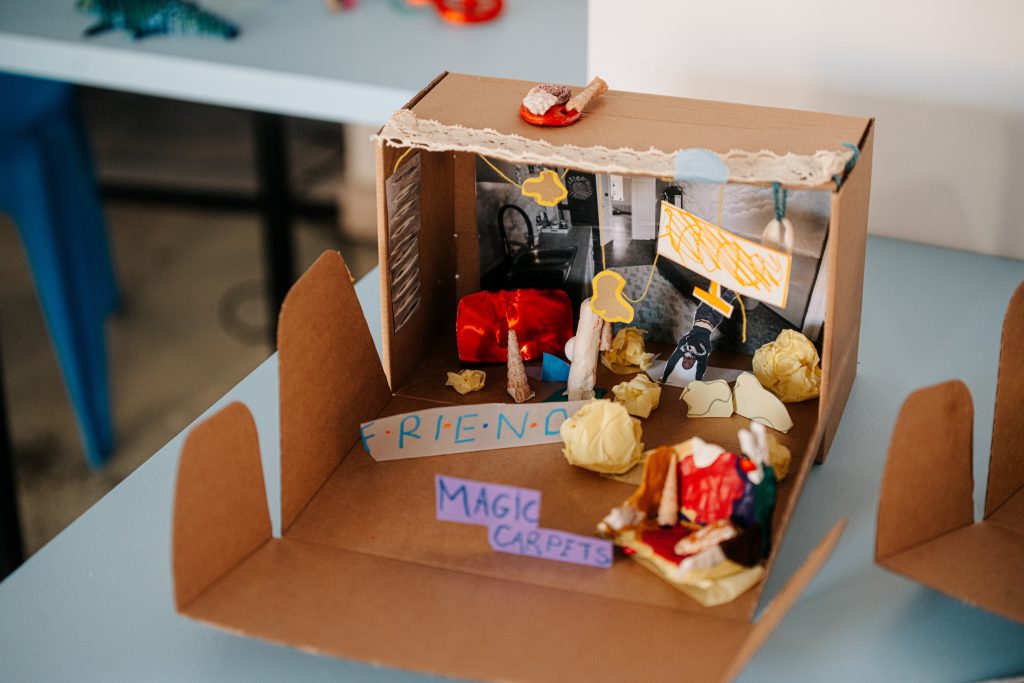
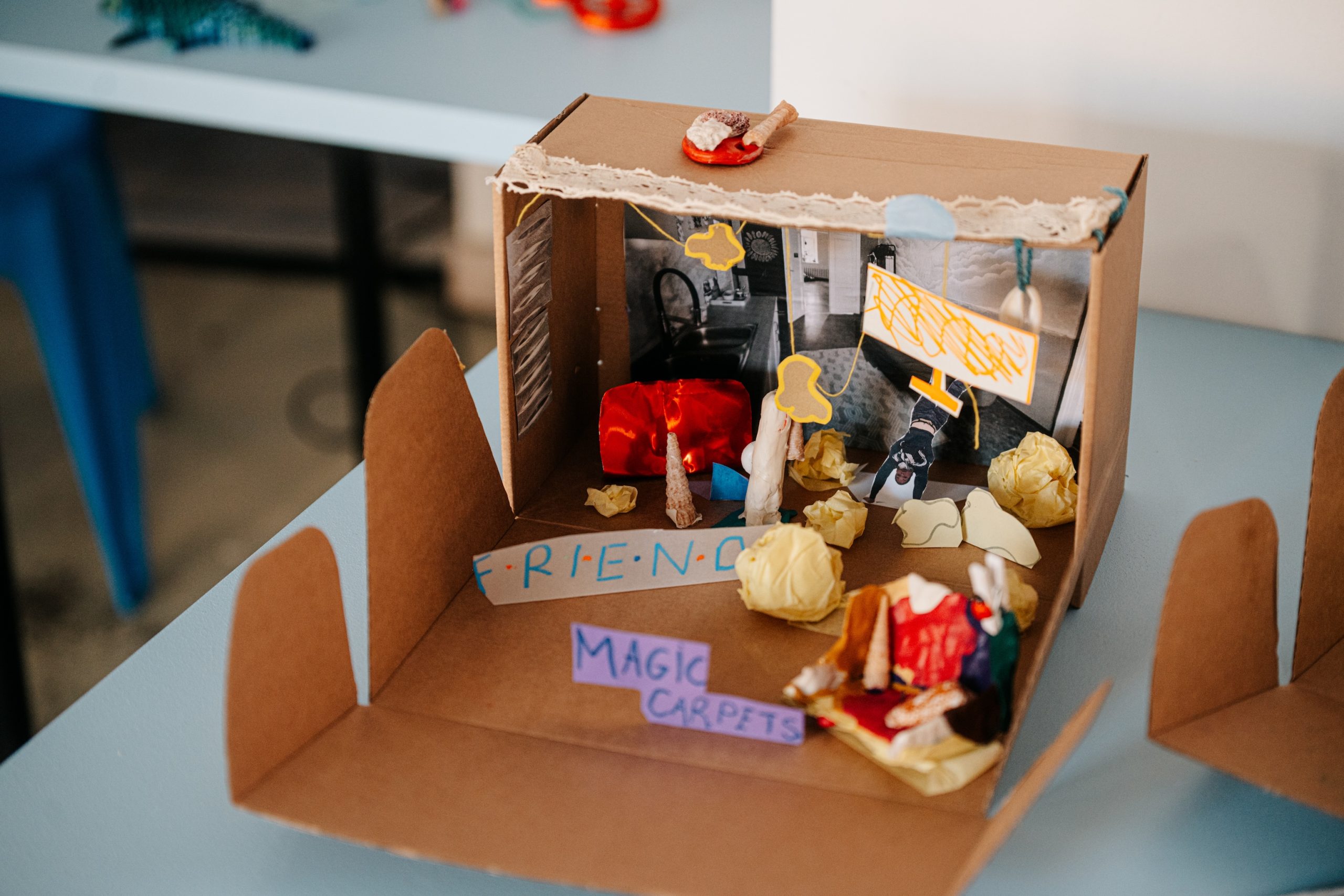
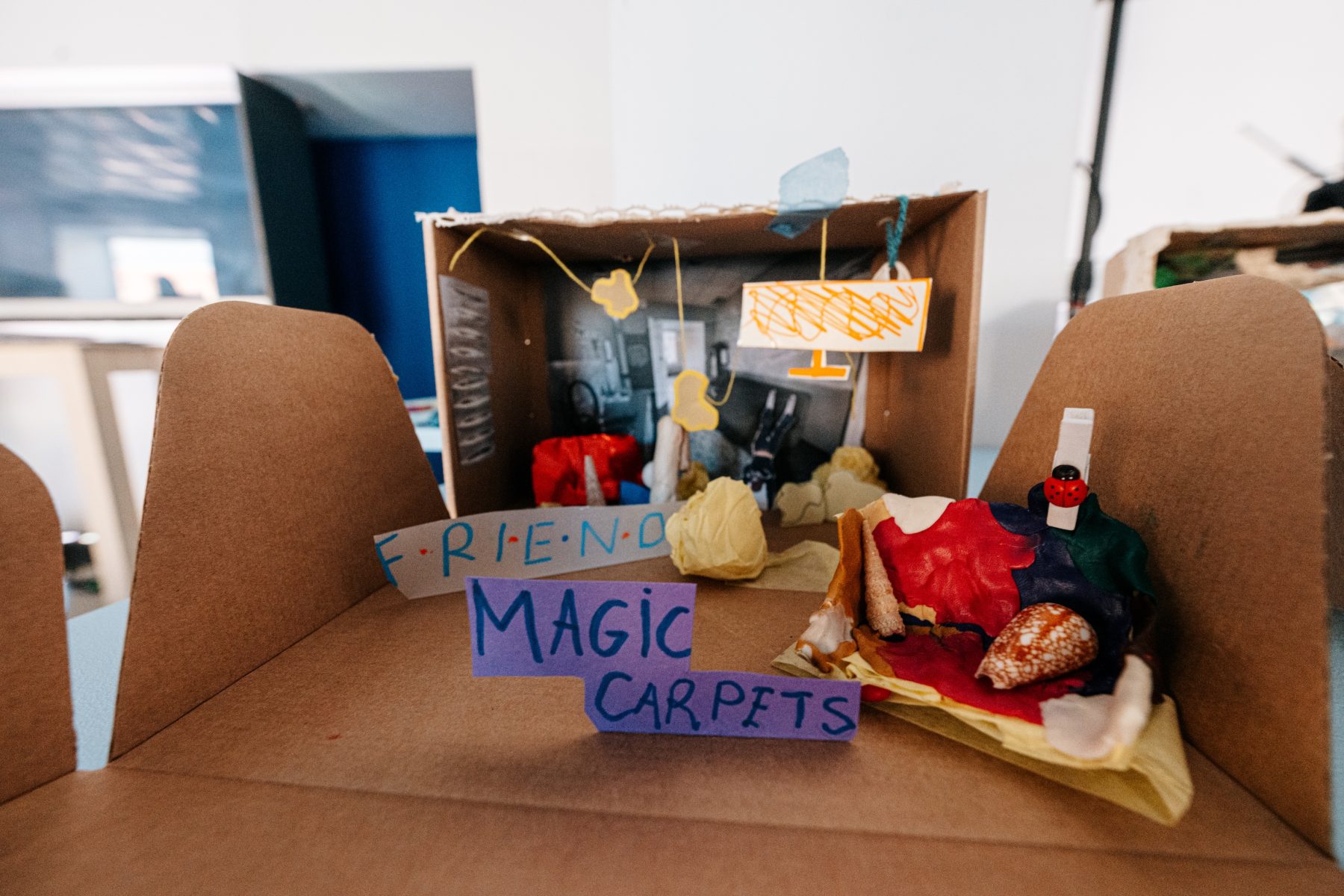
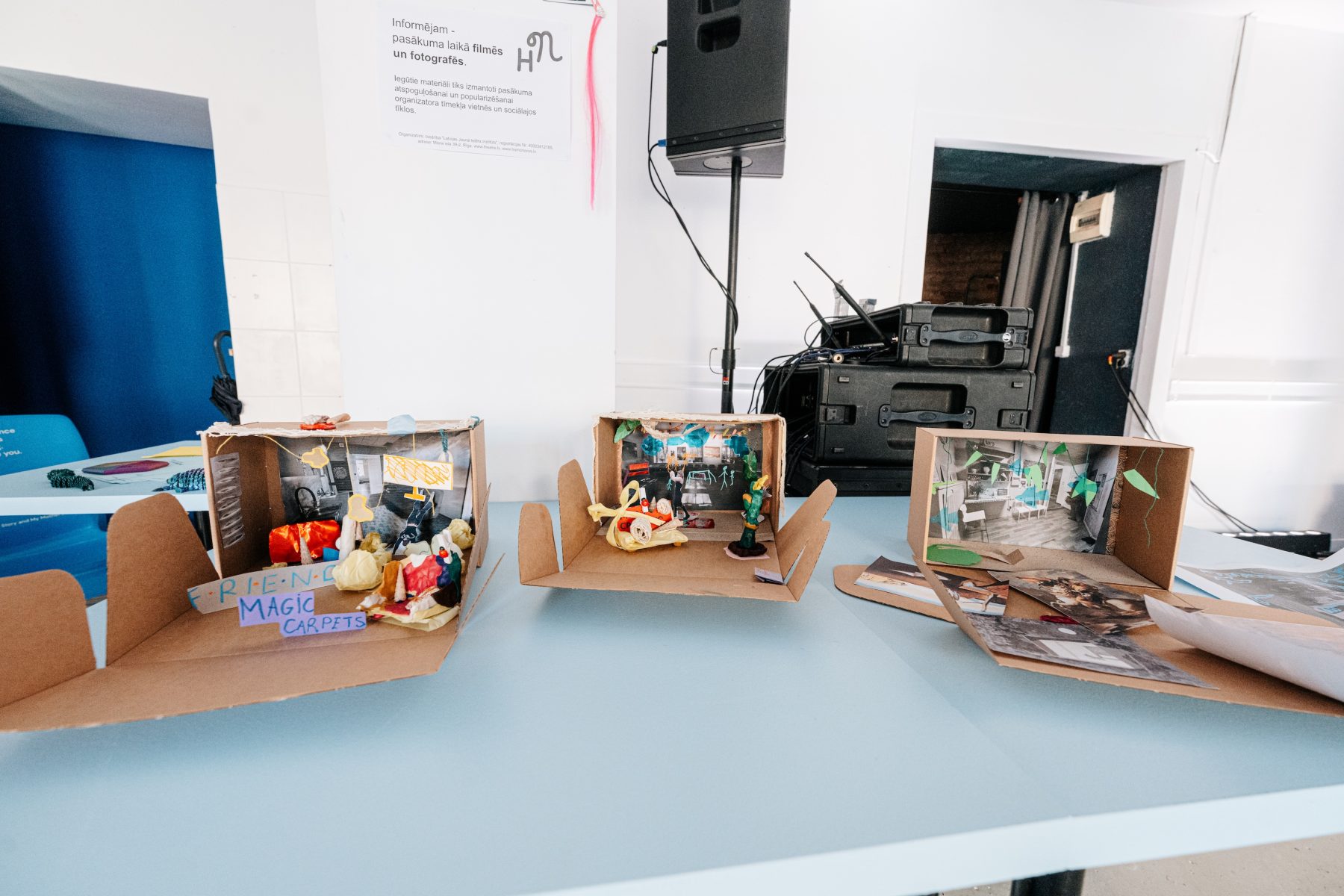
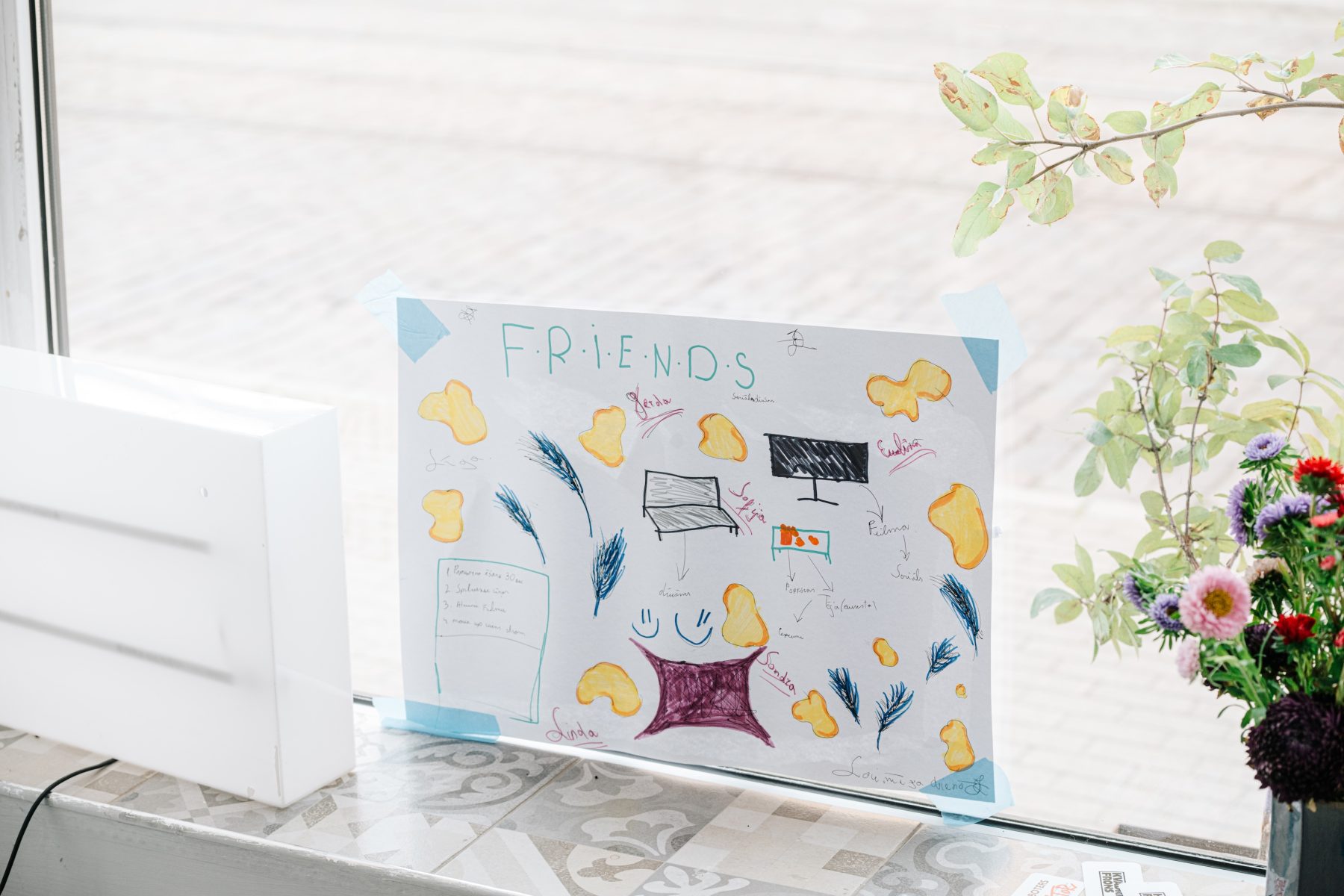
Alongside the conversation, the presentation included visual traces of the workshops – sketchbooks, drawings and other materials created by the young participants throughout the residency. These fragments offered glimpses into their individual thoughts and creative explorations, while remaining part of a larger, still-evolving process.
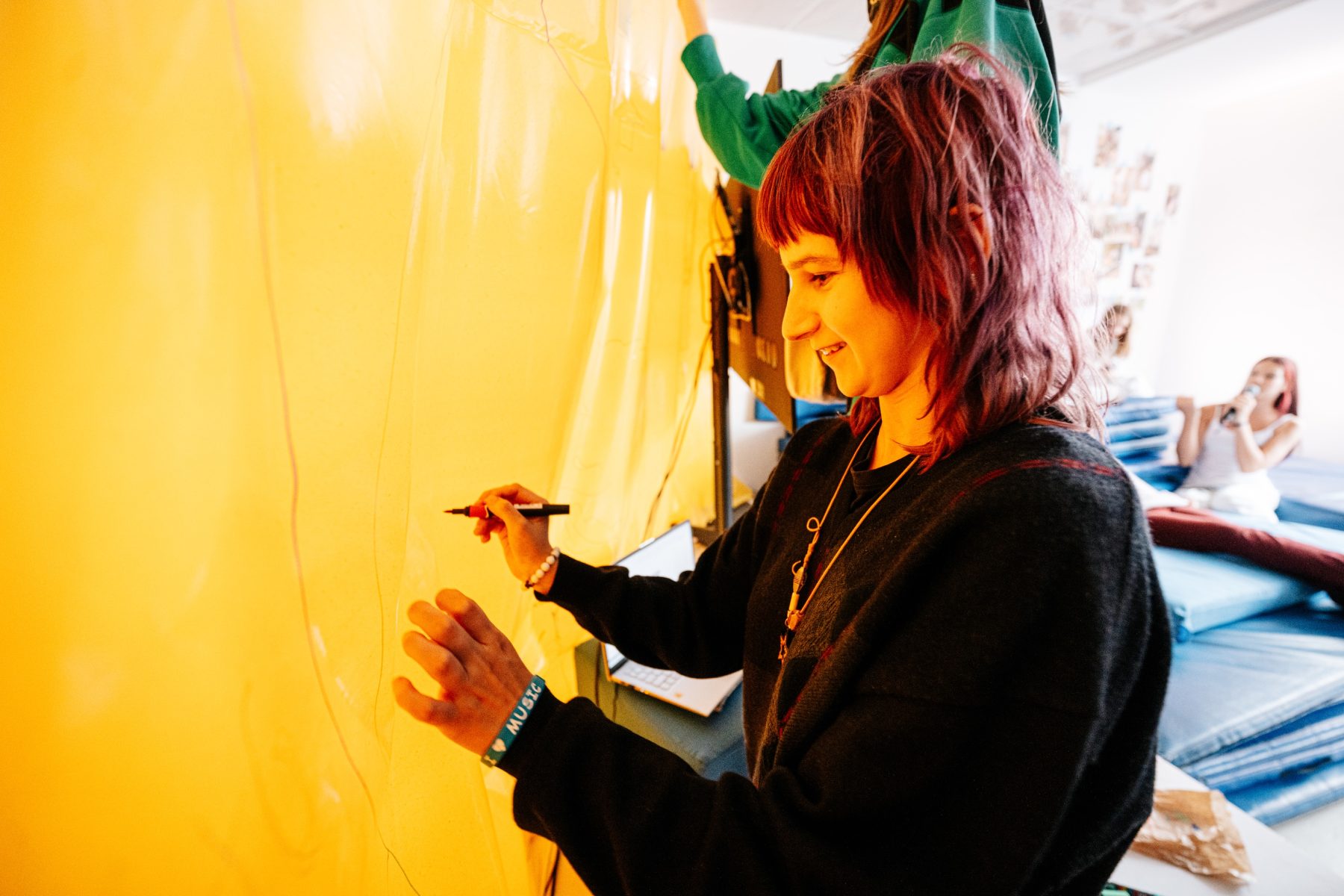
At the end of the event, the audience was invited to join the reflection by contributing to a large yellow banner dedicated to places of peace. Through drawings and written words, visitors could add their own interpretations of what peace meant to them. In this way, the question extended beyond the experiences of the young participants and became a shared invitation to reflect on our own needs, boundaries and sources of comfort.
Where Is My Peace?! ultimately asks us to reconsider what we expect from artistic encounters and collaborative processes. Must every process reach a predetermined destination? Must every intention be fulfilled and every idea turned into a finished work? Perhaps the ability to recognise when something is no longer working, to change direction or to stop altogether is also part of creating. Perhaps the act of giving up can sometimes be as generative as the act of beginning.
Maybe peace is not something we eventually find, but something we learn to make room for.